In recent years, wearable technology has gained traction as a powerful tool for managing chronic conditions. People are increasingly looking for effective methods to monitor and improve their health. Wearable devices, like smartwatches and fitness trackers, offer real-time data. This data can help individuals understand their health better.
When exploring how to manage chronic conditions with wearable tech, it’s crucial to note the variety of available options. Some devices track heart rate, while others monitor blood sugar levels. They provide insights that can lead to informed decisions. However, reliance on technology raises questions about accuracy and privacy. Data protection remains a concern for many users. Thus, while these devices are advancing healthcare, they also require critical thinking and discussion about their limits.
Adopting wearable devices represents a shift in healthcare management. They empower patients to take control, but technology cannot replace professional medical advice. Understanding how to effectively integrate these tools into daily life is essential. Ultimately, the goal is to improve health outcomes. A balance between innovation and caution will drive better management of chronic conditions.
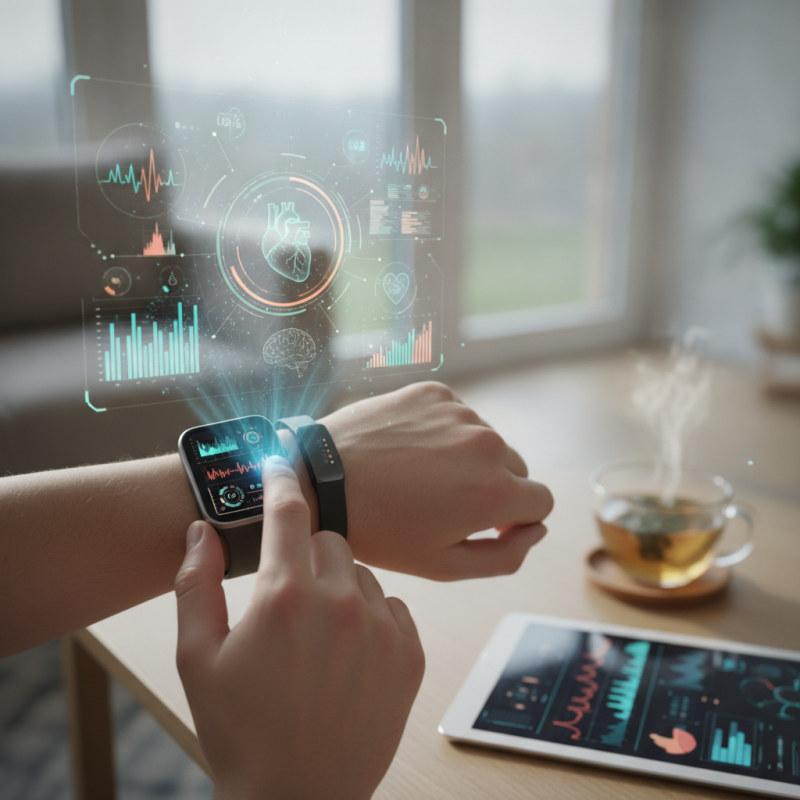
Wearable technology plays an essential role in managing chronic conditions, providing real-time insights into patients' health. According to a report from the World Health Organization, about 1.5 billion people worldwide live with chronic diseases, demanding innovative approaches to care. Wearables can monitor vital signs, such as heart rate and blood pressure, shedding light on daily health patterns.
Data from a recent study published in a leading medical journal revealed that 80% of patients using wearable devices reported improved management of their chronic conditions. This shift represents a promising trend in healthcare. Wearables not only track physical health but also encourage lifestyle changes through reminders for medication and exercise. They empower individuals to take control of their health, which can lead to better outcomes.
However, challenges persist. Many users find it difficult to maintain consistent use of these devices. Some feel overwhelmed or insecure about the constant data monitoring. Privacy concerns can also hinder adoption. The technology must evolve to address these issues while ensuring reliability and accuracy. As we embrace wearable tech, we need to reflect on these obstacles to create more inclusive solutions for all patients.
Wearable technology is transforming chronic condition management. Real-time health monitoring is a key benefit of these devices. A recent study indicated that users reporting daily health data could improve their self-management. When patients actively engage with their health metrics, adherence to medication increases by 26%. This shift empowers patients.
Wearables continuously capture health data like heart rate, glucose levels, and physical activity. For instance, a report noted a 40% reduction in hospital visits for patients using wearables. This reduction links to timely interventions based on monitored data. Regular feedback enables personalized lifestyle changes. However, challenges remain. Data overload can confuse patients. Many users struggle to interpret metrics accurately.
Additionally, privacy concerns linger. Patients may hesitate to share personal data. This hesitance can hinder the full potential of wearable devices. Trust is crucial for effective chronic condition management. Engaging healthcare providers can help alleviate these concerns and provide clearer insights.
| Dimension | Description | Benefits |
|---|---|---|
| Real-Time Monitoring | Continuous tracking of vital signs such as heart rate, blood pressure, and glucose levels. | Immediate feedback allows for timely medical interventions and reduces emergency situations. |
| Data Analytics | Analysis of collected data to identify trends and patterns in health metrics. | Helps healthcare providers tailor treatment plans and improve patient outcomes. |
| Patient Engagement | Encourages patients to take an active role in their health management through insights from tracked data. | Increases adherence to treatment plans and lifestyle modifications. |
| Remote Access | Doctors can access patient data remotely, reducing the need for frequent office visits. | Saves time for both patients and healthcare providers, facilitating better time management. |
| Alerts and Notifications | Wearable devices can send alerts for anomalies such as irregular heartbeats. | Provides peace of mind for patients and caregivers, enabling quicker responses to health issues. |
Wearable technology is changing the way we manage chronic conditions. These devices enable patients to track vital signs, monitor activity levels, and record symptoms. This constant stream of data promotes accountability. Patients can see real-time results from their daily choices.
Engagement is crucial for effective self-management. Wearable tech encourages patients to take control of their health. Users become more aware of their behaviors and how they affect their conditions. This awareness can spark lifestyle changes. However, it is vital to recognize that data alone may not drive action. Some individuals may still struggle to interpret their data or feel overwhelmed.
Self-management requires ongoing commitment. While wearables provide valuable insights, real-life application can be challenging. Patients may need additional support to understand and utilize the information effectively. It’s also essential for healthcare professionals to guide patients in harnessing this technology. Building a collaborative relationship can enhance the use of wearable tech in chronic condition management.
Wearable devices are transforming chronic disease management. Integrating these tools with telehealth offers a robust solution for both patients and healthcare providers. According to a recent survey by the American Heart Association, 70% of patients reported increased adherence to treatment plans when using wearable technology paired with remote consultations.
Telehealth allows for real-time monitoring. Patients can share data directly from their devices, such as heart rate, glucose levels, or activity stats. This constant flow of information helps clinicians make informed decisions. However, there are challenges. Not all patients are tech-savvy, and some might struggle with data overload. Education is key to overcoming these obstacles and maximizing the benefits of this integration.
Moreover, a report from Market Research Future indicates that the demand for wearable health tech is projected to reach $60 billion by 2023. This uptick highlights the importance of merging technology with traditional care methods. Yet, data security remains a concern. The healthcare sector must ensure that patient data is protected while advancing these innovative approaches. Combining wearables with telehealth represents a significant step forward, but it also requires careful planning and adjustment in practices.
This chart illustrates the percentage of patients using wearable technology to manage various chronic conditions. Notably, heart disease has the highest adoption rate at 50%, while asthma shows the least at 30%. Integrating wearable devices with telehealth can enhance the management of these conditions, leading to improved patient outcomes.
Wearable technology presents unique challenges in managing chronic conditions effectively. One major issue is data accuracy. A recent study indicates that 30% of wearable devices can produce unreliable health data. Such discrepancies can mislead both patients and healthcare providers. Patients may feel discouraged, leading to noncompliance with treatment plans.
Another significant challenge is user engagement. Research shows that nearly 50% of users abandon their devices within six months. This drop-off often stems from the complexity of the technology or a lack of visible benefits. A user-friendly interface and clear communication about health improvements are essential for sustained use.
Privacy concerns also play a crucial role. With over 60% of individuals worried about their personal health data security, trust in wearable devices is vital. Building a transparent system where users fully understand how their data is used can alleviate anxiety. Continuous feedback loops between patients and providers can foster a supportive environment, encouraging long-term commitment to using wearable tech in chronic disease management.
: The main benefit is real-time health monitoring, which helps manage chronic conditions effectively.
Users who report daily health data show a 26% increase in medication adherence.
Wearable devices can track heart rate, glucose levels, and physical activity continuously.
Wearables can reduce hospital visits by 40% due to timely interventions based on monitored data.
Users often experience data overload and struggle to accurately interpret health metrics.
Many patients hesitate to share their personal data, which limits the effectiveness of wearable devices.
Healthcare providers can help address privacy concerns and offer clearer insights on health data.
While awareness is important, some individuals may still feel overwhelmed and struggle to take action.
Ongoing commitment and support are crucial for patients to apply insights from wearable devices.
Building strong relationships with healthcare professionals can improve understanding and utilization of the technology.
Wearable technology plays a crucial role in effectively managing chronic conditions by providing real-time health monitoring and promoting patient engagement. These devices enable individuals to track vital health metrics continuously, empowering them to take charge of their health and make informed decisions. By integrating wearable devices with telehealth services, patients receive comprehensive care that combines remote monitoring with professional guidance, enhancing overall health management.
Moreover, while there are challenges in implementing wearable tech for chronic illnesses, such as data privacy concerns and technological accessibility, solutions such as user-friendly designs and robust data security measures can address these issues. Understanding how to manage chronic conditions with wearable tech not only facilitates better self-management for patients but also fosters a collaborative healthcare environment, ultimately leading to improved health outcomes.

TC Health