As the global population ages, understanding how to improve independence for elderly people becomes increasingly vital. According to the World Health Organization, by 2050, the number of people aged 60 and over will reach 2 billion, emphasizing the need for effective strategies. Independence enhances the quality of life and health outcomes for seniors, allowing them to age in place comfortably.
Dr. Michael D. O’Connor, a leading gerontologist, states, “Empowering seniors to make choices about their daily lives is essential for their independence.” His research highlights the importance of personalized care plans and community engagement. These elements can significantly impact an elderly person's ability to live autonomously. Programs that foster social connections and mobility can reduce isolation, which is often detrimental to mental health.
Improving independence is not free from challenges. Access to resources and ongoing support is essential. This journey requires a nuanced understanding of each individual’s needs and values. Reflection on current practices is essential, as some methods may inadvertently restrict independence instead of promoting it. Creating an environment that truly fosters independence for elderly people is a shared responsibility that benefits society as a whole.
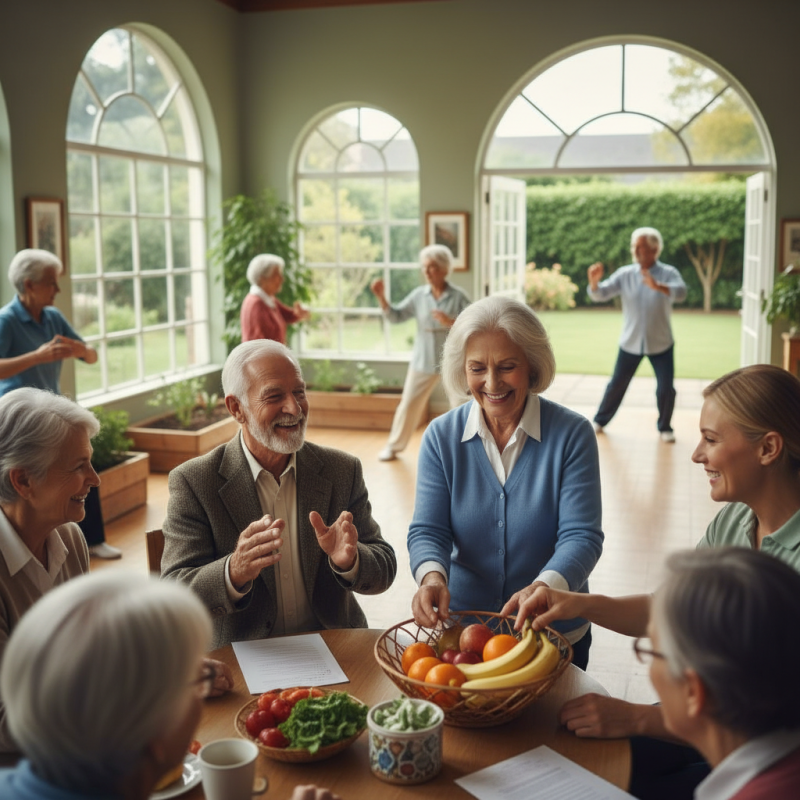
Understanding the Importance of Independence for Elderly Individuals
Independence is vital for elderly individuals. It promotes self-esteem, dignity, and overall well-being. When seniors can engage in daily activities, they feel a sense of purpose. This improves their mental health and quality of life.
Tips for enhancing independence: Encourage hobbies. Activities like gardening or painting can boost confidence. These creative outlets allow seniors to express themselves in new ways. Small achievements lead to greater confidence.
Another way to support independence is through technology. Simple tools can make daily tasks easier. For instance, voice-activated devices help with communication and reminders. However, some seniors may struggle with technology. Patience is essential as they learn.
Physical activity is crucial for maintaining independence. Encourage regular exercise, even light walking. It enhances strength and balance. Regular movement helps prevent falls, a common concern. The goal is to empower seniors while addressing their unique challenges.
Independence Levels Among Elderly Individuals
Identifying Factors Affecting Independence in Elderly People
Independence in elderly people can be significantly affected by various factors.
Physical health plays a crucial role. According to the
World Health Organization (WHO), nearly 80% of older adults have at least one chronic condition.
Conditions such as arthritis and heart disease can limit mobility and everyday activities.
This can lead to increased dependence on caregivers and family members.
Social connections are also vital. A report from the
National Institute on Aging found that isolation can lead to declining mental health.
Many seniors may feel disconnected and lonely. This not only impacts their emotional well-being but also their
willingness to engage in activities that foster independence.
Creating opportunities for social interaction may help
combat this issue.
Furthermore, cognitive decline can hinder decision-making abilities.
Studies indicate that about 15-20% of individuals aged 65 and older
have mild cognitive impairment. This can lead to difficulties in managing daily tasks.
Supporting elderly individuals with strategies to enhance cognitive functions could improve their autonomy.
Despite these challenges, promoting independence is possible through tailored interventions.
Strategies to Enhance Mobility and Physical Independence
Enhancing mobility and physical independence for elderly individuals requires a multifaceted approach. A study from the Centers for Disease Control and Prevention reveals that about 35% of older adults fall each year. Enhancing balance and strength can reduce this risk significantly. Simple exercises, like tai chi, improve coordination and can be done in a community setting. Social engagement also plays a crucial role. Participating in group activities fosters relationships and encourages regular movement.
Home modifications can further support independence. Installing grab bars in bathrooms or using non-slip mats can prevent accidents. According to a report by the World Health Organization, environmental factors are critical for maintaining functionality in older adults. Moreover, the availability of public transport options encourages mobility. Having access to reliable transportation helps seniors engage in the community, attend appointments, and visit friends or family.
Nutritional support cannot be overlooked. A balanced diet directly affects energy levels and overall mobility. The American Journal of Clinical Nutrition indicates that adequate protein intake helps in muscle maintenance, which is vital for physical independence. Implementing these strategies requires community awareness and family involvement. It’s essential to regularly assess progress and rethink approaches as needs evolve, ensuring that elderly individuals remain active and engaged in their lives.
Promoting Mental and Emotional Well-being for Autonomous Living
Promoting mental and emotional well-being is crucial for elderly people striving for independence. Many seniors encounter feelings of isolation, which can affect their mental health. Engaging in social activities can help combat loneliness. Local community centers often offer programs tailored for older adults. These programs foster connections that enhance emotional well-being.
Encouraging hobbies that stimulate the mind is another effective approach. Activities like painting, gardening, or even reading can spark joy and creativity. Such pursuits not only provide a sense of accomplishment but also invite opportunities for social interactions. Each moment spent learning something new revives interest in life.
However, it's essential to acknowledge challenges. Some seniors may resist change or feel overwhelmed by new activities. A gradual introduction to new experiences can ease this transition. Listening to their concerns and preferences is valuable. The goal is to create an environment that respects their pace while gently nudging them toward greater independence and enjoyment.
How to Improve Independence for Elderly People Effectively? - Promoting Mental and Emotional Well-being for Autonomous Living
| Strategy |
Description |
Benefits |
Implementation Tips |
| Social Engagement |
Encouraging participation in community activities or clubs. |
Improves mood and reduces feelings of isolation. |
Identify local groups and facilitate transportation. |
| Physical Activity |
Promoting regular exercise tailored to abilities. |
Enhances strength, flexibility, and overall health. |
Start with gentle exercises and encourage group classes. |
| Cognitive Activities |
Engaging in puzzles, reading, or educational courses. |
Stimulates mental function and builds confidence. |
Provide resources or access to online courses. |
| Assistive Technology |
Utilizing devices or apps that support daily living tasks. |
Promotes independence and simplifies routines. |
Assess needs and choose user-friendly technology. |
| Mental Health Support |
Accessing counseling or support groups. |
Provides coping strategies and emotional relief. |
Connect with local mental health professionals. |
Creating Supportive Environments for Elderly Independence
Creating a supportive environment for elderly independence requires understanding their unique needs. Modifying living spaces can greatly enhance their confidence and autonomy. Simple changes, like adding grab bars in bathrooms, can prevent falls. Well-placed lighting can reduce the risk of accidents and promote safe navigation.
Community engagement plays a vital role in fostering independence. Social activities should be easily accessible. Encouraging interactions among seniors can combat loneliness. However, not every initiative will resonate. Some may feel overwhelmed in large groups. Personalizing the approach is essential. Regular feedback helps identify what works and what doesn’t.
Transportation options also need consideration. Elderly individuals may find it challenging to reach necessary services. Offering shuttle services or ride-sharing programs can empower them. Nevertheless, not all solutions will be effective for every person. Each environment demands reflection and adjustment. Creating truly supportive spaces takes time and effort.
FAQS
: Simple exercises like tai chi can enhance coordination and balance effectively. They encourage movement in community settings too.
Engaging in group activities fosters relationships. It encourages regular movement and helps combat feelings of loneliness.
Installing grab bars and using non-slip mats can significantly reduce fall risks in bathrooms and other areas.
Reliable transportation enables seniors to attend appointments and visit family. It encourages engagement in the community.
A balanced diet supports energy levels. Adequate protein intake is vital for muscle maintenance, crucial for physical independence.
Community involvement ensures proper resources are available. It helps families assess progress and adapt approaches over time.
Well-placed lighting reduces accident risks. It promotes safe navigation during day and night activities respectively.
Some seniors may feel overwhelmed in large groups. Personalizing activities is crucial to meet individual comfort levels.
Regular assessments are important to adapt to changing needs. This ensures elderly individuals remain engaged and active in their lives.
No, it requires time and effort. Each person’s needs vary, so modifications need continuous reflection and adjustment.
Conclusion
The article "How to Improve Independence for Elderly People Effectively" emphasizes the crucial role that independence plays in enhancing the quality of life for elderly individuals. It examines various factors impacting their autonomy, such as physical health, mental well-being, and environmental influences. By identifying these factors, caregivers and family members can better understand the challenges faced by seniors.
To address these challenges, the article outlines practical strategies to enhance mobility and physical independence, such as encouraging regular exercise and facilitating accessible transportation. Furthermore, it discusses the importance of promoting mental and emotional well-being through social engagement and community support, which are vital for maintaining autonomy. Lastly, creating supportive environments tailored to the needs of elderly people can greatly contribute to their independence, fostering a lifestyle that encourages self-sufficiency and dignity. Overall, the article provides a comprehensive guide on how to improve independence for elderly people effectively.

 TC Health