2026 Best Guide to How Fall Detection Technology Works?

Time:2026-04-03 Author:Ethan
0%

Understanding how fall detection technology works is crucial in today’s aging society. As the population grows older, the need for effective safety measures increases. Falls are a leading cause of injury among the elderly, often resulting in severe consequences. Innovative fall detection systems provide peace of mind for both users and caregivers.

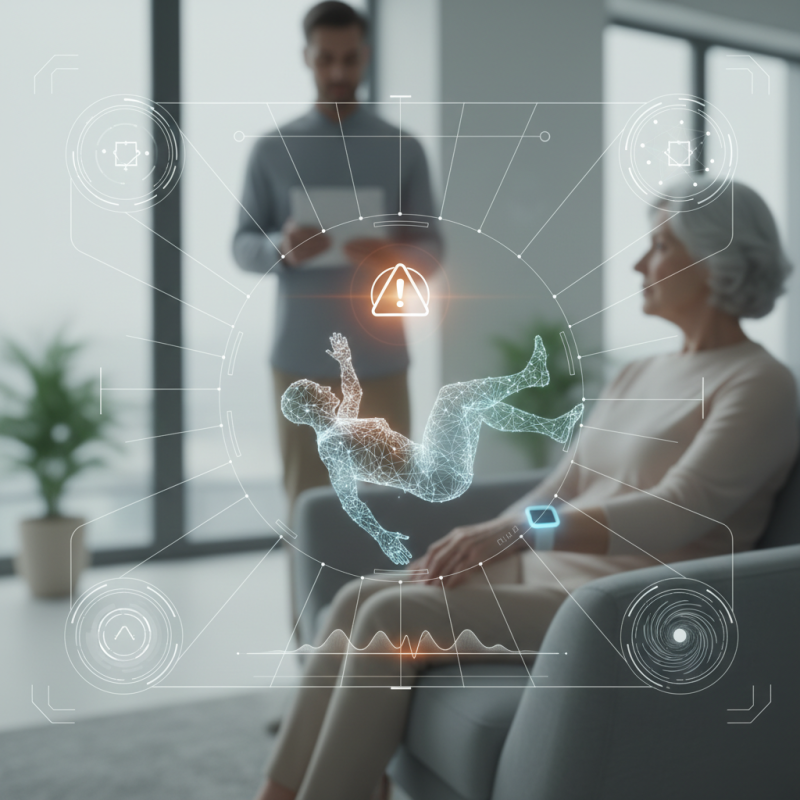
These systems utilize various sensors and algorithms to monitor movement. Typically, they employ accelerometers, gyroscopes, and machine learning to assess a person's activity. When abnormal motion is detected, such as a sudden fall, alerts are sent to caregivers or emergency services. This rapid response can be life-saving. However, these technologies are not without their flaws. False alarms can occur, which may lead to unnecessary panic and skepticism.

The importance of understanding how fall detection technology works lies in its potential limitations. Not all systems detect falls accurately, and factors like environmental conditions may hinder performance. Users must remain aware of these shortcomings while recognizing the benefits. In summary, fall detection technology is a promising advancement, yet it demands ongoing evaluation and improvement.
2026 Best Guide to How Fall Detection Technology Works?

Understanding Fall Detection Technology: An Overview

Understanding fall detection technology involves grasping how it operates and its critical benefits. This technology primarily uses sensors to identify falls through motion detection. These sensors can be found in wearable devices or smart home systems. They analyze movements and signals to determine if a fall has occurred, distinguishing it from normal activities.

Tips: When choosing a fall detection system, prioritize reliability and user-friendliness. Look for devices that send immediate alerts to caregivers. This ensures swift assistance in emergencies. Consider systems that have a sleek design for daily wear.

The technology can sometimes misinterpret sudden movements as falls. This limitation raises concerns about false alarms. Users should select a system that minimizes such errors, ensuring that alerts are accurate and timely. It's essential to regularly test and update the technology for the best results.

Types of Fall Detection Systems: Wearable vs. Ambient Solutions

Fall detection technology plays a vital role in enhancing safety for older adults. Two primary types of fall detection systems exist: wearable and ambient solutions. Wearable devices are typically wristbands or necklaces equipped with sensors. These devices can detect sudden movements and falls. According to the World Health Organization, falls account for 60% of accidental deaths among older adults. Thus, integrating wearable solutions can be lifesaving.

On the other hand, ambient systems use sensors placed around living spaces. They track the activities in real-time without requiring users to wear anything. These systems often employ machine learning to distinguish between regular activities and potential falls. A report by the National Institute on Aging notes that ambient systems can offer a less intrusive alternative for users who might struggle with traditional wearables. Both methods demonstrate effectiveness, but each has challenges. Wearables may be forgotten or removed, while ambient systems require a careful balance of privacy and monitoring.

Understanding both types reveals that individuals have unique preferences. Some may feel uncomfortable wearing devices at all times, while others appreciate the added security. Making an informed choice is crucial. Effective fall detection not only promotes safety but also improves the overall quality of life for older adults.

Key Sensors Used in Fall Detection: Accelerometers and Gyroscopes

Fall detection technology has become crucial in enhancing safety, especially for older adults. At the core of this technology are two key sensors: accelerometers and gyroscopes. These devices work together to monitor movement dynamics and detect falls.

Accelerometers measure changes in velocity and orientation along multiple axes. They help identify sudden drops in height, a common sign of a fall. When an individual collapses, the accelerometer can effectively capture this rapid change, sending alerts to caregivers. Meanwhile, gyroscopes provide data on rotational movements. They track the orientation of the body, helping distinguish between falls and normal daily activities.

Despite their effectiveness, fall detection systems are not infallible. False alarms can occur if the technology misinterprets normal movements, such as sitting down quickly. In some scenarios, mild falls may go undetected. This highlights a need for ongoing evaluation of these systems. It's crucial to refine algorithms for better accuracy. Both sensors contribute valuable data, but they also require careful integration and testing to minimize errors. Recognizing these limitations can lead to advancements in fall detection technology.

Data Analytics and Algorithms Behind Fall Detection Accuracy

Fall detection technology integrates data analytics and sophisticated algorithms to enhance accuracy. Recent studies reveal that these systems can achieve an accuracy rate of up to 95% in detecting falls. This high rate stems from intricate algorithms that analyze data from motion sensors, accelerometers, and gyroscopes embedded in wearable devices or smart home systems.

The algorithms assess body movements and environmental conditions to discern falls from other activities. For instance, a study published in 2022 indicated that while 20% of alerts were false positives, ongoing refinements are essential to improve reliability. By employing machine learning techniques, these systems adapt over time, learning individual user patterns. However, the technology still encounters challenges in categorizing falls accurately across diverse demographics, as older adults may present different movement patterns compared to younger adults.

Data from industry reports suggest that despite advancements, there's still room for improvement in differentiating falls from similar movements, like sitting down quickly. As technology evolves, it is crucial for researchers to focus on refining algorithms further. The goal is to reduce false alarms while maintaining high sensitivity. Continuous testing and user feedback play vital roles in achieving this balance.

Fall Detection Technology Accuracy Analysis

This chart illustrates the accuracy of various fall detection algorithms in percentage terms. It highlights the effectiveness of different algorithms in identifying falls, which is crucial for ensuring the safety of individuals, particularly the elderly.

Market Trends and Future Innovations in Fall Detection Technology

As the global population ages, the need for effective fall detection technology grows. According to a recent industry report, the fall detection market is projected to reach $1.5 billion by 2026. This growth is driven by an increase in smart wearable devices designed to monitor motion and detect falls in real-time. The integration of artificial intelligence has significantly enhanced these technologies, making them smarter and more reliable.

Future innovations include the use of machine learning algorithms that improve fall detection accuracy. Current systems often face challenges, such as false positives and excess false alarms. With advancements in sensor technology, the accuracy rate of these devices can exceed 95% in detecting actual falls. Moreover, studies have shown that seniors often hesitate to use wearable devices due to privacy concerns. Respecting user autonomy while ensuring their safety is a nuanced challenge that developers must address.

Market trends indicate a shift towards the integration of fall detection systems into smart home environments. This approach allows for seamless monitoring while providing users with a sense of control. Partnerships between technology firms and healthcare providers are expected to foster greater innovation in this space. With ongoing research, the future of fall detection technology looks promising, yet requires continuous reflection on user needs and ethical considerations.

FAQS

: What are the two main types of fall detection systems?

: There are wearable devices and ambient solutions. Both have unique strengths.

How do wearable fall detection devices work?

They are typically wristbands or necklaces that detect sudden movements and falls using sensors.

What is an advantage of ambient fall detection systems?

They use sensors around living spaces. Users do not need to wear anything.

Why is accuracy important in fall detection technology?

High accuracy reduces false alarms and ensures safety for older adults.

What challenges do wearable devices face?

Users may forget or remove them, impacting their effectiveness.

What is the role of machine learning in fall detection systems?

It helps improve accuracy over time by analyzing individual user patterns.

Are there still inaccuracies in fall detection?

Yes, many alerts are false positives. Continuous improvements are necessary.

How can users choose the right fall detection system?

Preferences vary. Consider comfort, accuracy, and privacy needs when deciding.

What is the importance of user feedback in refining fall detection technology?

User feedback helps improve system responsiveness and reliability over time.

Can fall detection systems differentiate between falls and similar movements?

It's challenging. Distinguishing falls from movements like sitting quickly needs further development.

Conclusion

Fall detection technology is a crucial innovation aimed at enhancing safety, particularly for elderly individuals or those with mobility challenges. Understanding how fall detection technology works involves exploring its two primary systems: wearable devices, which users can wear as clothing or accessories, and ambient solutions that utilize installed sensors in the environment.

Key sensors like accelerometers and gyroscopes play a vital role in accurately detecting falls by monitoring sudden movements and changes in orientation. Additionally, advanced data analytics and algorithms contribute to the precision of these systems, improving their response rates and minimizing false alarms. The market is witnessing significant trends, including the integration of AI and machine learning, suggesting that future innovations will continue to enhance the effectiveness and accessibility of fall detection technology.

Ethan

Ethan

Ethan is a seasoned marketing professional with a deep expertise in our company's innovative product line. With a passion for sharing knowledge and insights, he takes the lead in regularly updating our corporate blog, where he explores industry trends, product features, and effective marketing......