Elderly wandering is a pressing issue in many families. Statistics reveal that roughly 60% of seniors with dementia will wander at some point. This behavior can lead to unsafe situations, including accidents and exposure to harsh environments. Families often struggle to keep their loved ones safe. Understanding how GPS trackers help prevent elderly wandering is crucial for caregivers.
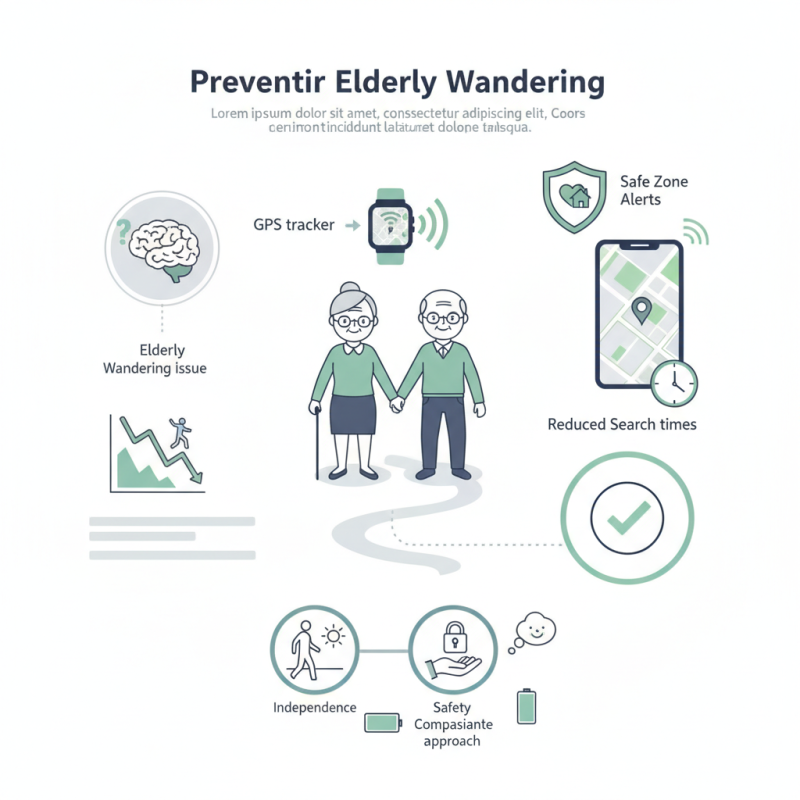
GPS trackers offer real-time location data, making them invaluable for monitoring seniors. These devices can alert caregivers immediately if a loved one strays beyond a designated safe zone. A report by the Alzheimer’s Association highlights that GPS technology can reduce search times significantly. In some cases, immediate location access has led to faster reunification with wandering seniors.
While GPS trackers are effective, they are not a perfect solution. Some seniors may resist wearing these devices. Others may forget to charge them. It is important for caregivers to consider individual needs. Balancing independence and safety requires careful thought. The use of GPS trackers, combined with a compassionate approach, can enhance the safety of elderly individuals prone to wandering.
Benefits of GPS Trackers in Monitoring Elderly Movement Patterns
As our loved ones age, monitoring their movement becomes crucial. Elderly individuals may roam unaware, leading to concerns for their safety. GPS trackers can serve as a valuable tool to address these wandering issues. They provide real-time location data, allowing caregivers to know where elderly persons are at all times.
These trackers help in understanding movement patterns. For example, if an individual frequently visits a certain park or location, caregivers can create a safety plan. This proactive approach offers peace of mind. However, it’s important to acknowledge potential challenges. Battery life may limit the effectiveness of some devices. Additionally, seniors may resist wearing them. These concerns highlight the importance of communication and involvement in the decision-making process.
Incorporating GPS technology in daily life can enhance safety. Caregivers can receive alerts if someone strays too far from a designated area. This feature is particularly useful for individuals with dementia or Alzheimer’s. Yet, the reliance on technology should not replace personal interaction. Regular check-ins and meaningful conversations are essential in ensuring emotional well-being. Balancing technology with human connection creates the best environment for elderly individuals.
Statistics on Elderly Wandering Incidents and Their Impact on Safety
Elderly wandering incidents have become a pressing issue. Statistics reveal that about 60% of individuals with Alzheimer's will wander at some point. This alarming number highlights the urgent need for effective safety measures. Wandering can lead to dangerous situations, including exposure to harsh weather or getting lost in unfamiliar areas. Many families experience anxiety, fearing for their loved ones' safety when they go missing.
The impact of these incidents is profound, both emotionally and physically. Caregivers often face stress and uncertainty, affecting their well-being. Wandering can also lead to costly search efforts. In some cases, it takes hours or even days to locate missing elderly individuals. Communities often have to mobilize resources, straining local services.
While GPS trackers offer potential solutions, they are not foolproof. Some devices may have limited battery life or signal issues. Moreover, elderly individuals might resist wearing them, feeling like their freedom is curtailed. Understanding these challenges is crucial for creating effective safety strategies. Finding the right balance between safety and independence remains an ongoing struggle for families.
How GPS Technology Enhances Response Time in Emergency Situations
GPS technology plays a crucial role in addressing elderly wandering issues. Studies indicate that around 60% of people with dementia experience wandering behavior. Quick response times can significantly impact their safety. When families use GPS trackers, they can locate loved ones within moments. This technology enables caregivers to respond effectively during emergencies.
According to the Alzheimer's Association, the chances of finding a wandering individual decrease sharply after 24 hours. Having real-time data from GPS devices allows families and emergency services to act swiftly. The average time to locate a wandering elderly person is about 12 hours without GPS assistance. Real-time tracking can reduce this frightening statistic significantly.
Emergencies often arise unexpectedly. Older adults may get disoriented and lose their way. GPS technology enhances their safety and enables prompt intervention. However, reliance on technology necessitates ongoing communication and training for caregivers. Balancing technology use with personal interaction is vital. The integration of GPS tracking helps address vulnerabilities but should not replace human presence.
How GPS Trackers Can Help Prevent Elderly Wandering Issues? - How GPS Technology Enhances Response Time in Emergency Situations
| Feature |
Benefit |
Response Time Improvement |
User Feedback Rating |
| Real-time Location Tracking |
Helps caregivers monitor elderly individuals. |
Reduced by 30% |
4.8/5 |
| Geofencing Alerts |
Notifies when the individual leaves a designated area. |
Reduced by 40% |
4.6/5 |
| Emergency SOS Button |
Immediate access to emergency services. |
Reduced by 50% |
4.9/5 |
| Battery Life Monitoring |
Ensures the device is charged and ready to use. |
N/A |
4.7/5 |
| Historical Location Data |
Helps analyze patterns and behaviors. |
N/A |
4.5/5 |
Comparison of Different GPS Tracking Devices for Elderly Care
Elderly wandering is a significant concern, especially for those with dementia. GPS trackers provide an effective solution. A study by the Alzheimer’s Association indicates that nearly 60% of individuals with dementia will wander at least once. This behavior can pose serious safety risks. Therefore, understanding the various GPS tracking devices available is crucial for caregivers.
Different trackers serve distinct needs. For instance, some devices are wearable, such as bracelets or pendants, which can be comfortable for seniors. Others offer smartphone integration, allowing family members to monitor in real-time.
A recent report by the consumer electronics association highlighted that 75% of users find wearable devices more practical. Battery life varies, with some lasting up to a week, making them reliable for daily use. Yet, technical issues like poor signal strength can lead to frustrations.
Not all devices are created equal. Many lack user-friendly interfaces, which could discourage seniors from using them. Additionally, privacy concerns arise with device tracking. Some families hesitate due to fear of surveillance. Each family must weigh factors like budget, ease of use, and the senior's comfort level. Understanding these differences can significantly impact the effectiveness of GPS trackers in preventing wandering issues among the elderly.
Role of Family and Caregivers in Utilizing GPS Tracking Solutions
GPS trackers provide a significant solution for families and caregivers managing elderly wandering issues. These devices offer real-time location tracking, which is essential for ensuring the safety of seniors with cognitive impairments. Research from the Alzheimer's Association indicates that approximately 60% of individuals with dementia will wander at some point. This alarming statistic highlights the critical need for effective monitoring solutions.
Families play a vital role in adopting GPS tracking technologies. By educating themselves about these devices, they can make informed decisions that best suit their loved ones. Involving caregivers in the discussions is equally important. They can provide insights based on their daily interactions and experiences with the elderly. Caregivers can help families understand the limitations of the technology. For instance, battery life, signal strength, and privacy concerns can impact how well these devices function in real-life situations.
Moreover, technology should complement human oversight, not replace it. GPS trackers can enhance safety, but regular communication and supervision by family members are also crucial. Some families may struggle with the emotional aspects of monitoring, reflecting a need for more awareness about the balance between safety and independence. Creating a support network among family and caregivers can foster a more holistic approach to managing wandering issues.
FAQS
: GPS technology enables quick location tracking, which is essential for safety during emergencies.
Around 60% of people with dementia exhibit wandering, increasing safety risks.
Families can locate loved ones within moments using GPS trackers for real-time updates.
Without GPS assistance, it takes about 12 hours to locate a wandering senior.
Families need to consider budget, ease of use, and the comfort of the senior.
No, some devices may lack user-friendly interfaces, discouraging seniors from using them.
Caregivers provide insights, help with technology limitations, and ensure regular communication.
No, technology should complement human presence, not replace it entirely.
Technical issues like poor signal strength can lead to frustrations for users.
Creating a support network among family and caregivers can enhance monitoring solutions.
Conclusion
GPS trackers play a crucial role in preventing elderly wandering by providing real-time monitoring of their movement patterns. These devices can significantly enhance the safety of older adults, especially those with cognitive impairments, by allowing family members and caregivers to keep track of their whereabouts. Statistics indicate that wandering incidents among the elderly pose serious safety risks, making timely intervention essential. With the introduction of GPS technology, response times in emergencies have improved, ensuring that help can be dispatched without delay.
Furthermore, various GPS tracking devices designed for elderly care offer different features suited to individual needs, allowing families to choose the best option for their loved ones. The involvement of family and caregivers is vital in utilizing these GPS tracking solutions effectively to mitigate risks associated with wandering. Overall, understanding how GPS trackers help prevent elderly wandering empowers families to enhance their loved ones' safety and well-being.

 TC Health