Fall detection technology is becoming increasingly vital in ensuring the safety of seniors and individuals with mobility challenges. Dr. Emily Carter, an expert in geriatric health technology, states, "Effective fall detection systems can save lives by providing timely assistance." Understanding how fall detection technology works is essential for caregivers and family members who wish to monitor their loved ones' well-being.
This technology uses various sensors to identify falls accurately. Wearable devices and smart home systems detect sudden impacts and unusual patterns of movement. In addition, they can send alerts to caregivers or emergency services. However, despite advancements, no system is foolproof. False positives can occur. It is crucial for users to choose reliable equipment that minimizes such errors.
Moreover, the technology must be intuitive. Users should feel comfortable and secure using these devices. As Dr. Carter emphasizes, "Technology should empower users, not overwhelm them." By understanding how fall detection technology works, families can take proactive measures to enhance safety monitoring and ensure their loved ones receive immediate help when needed.
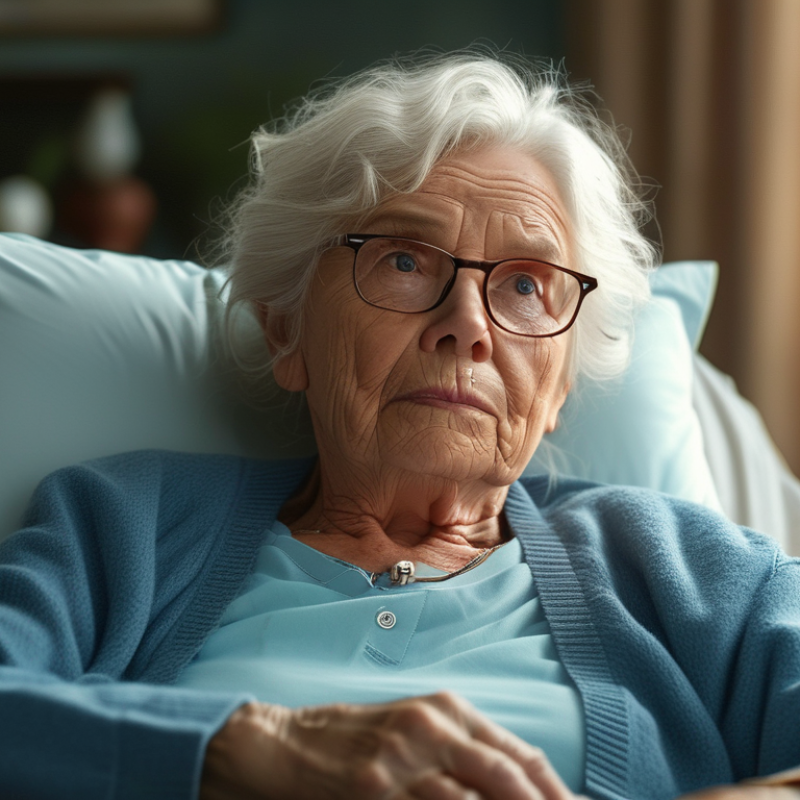
Understanding Fall Detection Technology: An Overview
Fall detection technology is reshaping safety monitoring for individuals at risk. This system often uses sensors that recognize unusual movements. For example, a sudden drop can trigger an alert. These alerts inform caregivers or family members immediately. Prompt responses can significantly reduce injury complications.
Understanding how this technology works is essential. It generally combines hardware and software. Wearable devices or home sensors are common. They analyze motion patterns, recognizing when they deviate from the normal. However, no system is infallible. False alarms can occur, leading to unnecessary worry. It’s crucial to balance technology use with human oversight, ensuring reliability and trust in the system.
Incorporating fall detection adds to safety but also raises questions. How accurate are these devices? Can they distinguish between a fall and regular movement? Users must stay informed for effective use. Technology alone cannot replace human presence and judgment. Reflecting on these aspects helps improve personal safety strategies.
Key Components of Fall Detection Systems and Their Functions
Fall detection technology plays a crucial role in safety monitoring, particularly for the elderly and those with mobility issues. Understanding the key components of these systems is essential. Typically, these systems include sensors, algorithms, and alert mechanisms that work together to identify falls. Sensors, often worn as wristbands or pendants, detect sudden movements or changes in posture.
The algorithms analyze data from sensors, determining whether a fall has occurred. If a fall is detected, the system activates an alert mechanism. This could be a phone call or a message to caregivers. It's important that these systems are reliable and accurate. False alarms can cause unnecessary panic, while undetected falls can lead to severe consequences.
For users, knowing how to position the sensor for optimal detection is vital. Regular testing of the technology ensures it functions correctly. Encourage users to communicate with caregivers about their specific needs and health conditions. Proper documentation of fall incidents can help improve system accuracy over time. Monitoring should not only rely on technology but also involve human awareness.
How Fall Detection Technology Works Tips for Safety Monitoring
| Component |
Function |
Technology Used |
Key Feature |
| Sensors |
Detect motion and changes in position |
Accelerometers, Gyroscopes |
Real-time detection |
| Alert Mechanism |
Notify caregivers or emergency services |
SMS, Calls, App Notifications |
Fast response time |
| User Interface |
Allows users to interact with the system |
Touchscreen, Mobile App |
User-friendly design |
| Data Analysis |
Process data to improve detection accuracy |
Machine Learning Algorithms |
Continuous improvement |
| Power Source |
Supply energy to the device |
Rechargeable Batteries, Power Adapters |
Long battery life |
Industry Statistics: The Impact of Fall Detection on Elderly Safety
Falls are a leading cause of injury among the elderly. Recent studies indicate that one in four older adults experiences a fall each year. This statistic highlights a critical need for more effective safety monitoring solutions in our aging population. The World Health Organization reports that falls account for over 17 million emergency department visits per year in this demographic. This surge underscores the importance of fall detection technology.
Implementing robust fall detection systems can significantly reduce injury rates. Data shows that timely intervention can prevent severe injuries, such as hip fractures. A study found that using fall detection alerts decreased hospitalizations by 30%. Moreover, the presence of monitoring technology can enhance the elderly's sense of security, encouraging them to remain active.
However, technology venues require careful consideration. Sometimes, false alarms may occur, leading to distrust among users. Ensuring accuracy and user-friendly interfaces is vital for gaining acceptance.
While fall detection technology shows promise, there remains a need for ongoing evaluation. It is crucial to address user concerns and improve reliability. Continuous adaptation based on user feedback can lead to more effective solutions for elder safety. Achieving these goals calls for collaboration among researchers, healthcare providers, and technology experts. Through this combined effort, we can enhance safety monitoring for our elderly population in a meaningful way.
Best Practices for Implementing Fall Detection in Home Settings
Implementing fall detection technology at home involves various best practices to ensure safety. According to a report by the National Council on Aging, over 36 million older adults experience a fall each year in the U.S. By integrating reliable fall detection systems, homeowners can mitigate this risk. For effective monitoring, it’s crucial to choose systems that utilize multiple sensors. Devices that combine accelerometers and gyroscopes offer enhanced accuracy in detecting falls.
Another key aspect is regular maintenance and user training. Studies show that a significant percentage of fall detection devices are underutilized due to user unfamiliarity. Ensuring that family members or caregivers know how to operate the technology can boost effectiveness. Involving everyone in the training process fosters a culture of safety. It’s also essential to consider individual needs—what works for one person may not suit another. Comfort and ease of use are vital for older adults, impacting both compliance and responsiveness.
Creating an emergency response plan can further bolster safety. An effective system should not only detect falls but also communicate alerts quickly. Research indicates that immediate response can prevent further injury in up to 50% of cases. Builders and homeowners should prioritize easy access to medical help while designing safety protocols. This holistic approach enhances the overall safety environment at home, providing peace of mind for both seniors and their families.
Future Trends in Fall Detection Technology and Aging Population Needs
As the global population ages, advancements in fall detection technology become increasingly vital. According to the World Health Organization, falls are the second leading cause of unintentional injury deaths worldwide, especially among older adults. By 2030, it’s expected that nearly 1.4 billion people will be 60 years or older. This demographic requires innovative solutions for safety monitoring.
Recent reports highlight that smart sensors and wearable devices are evolving. They utilize algorithms and machine learning to identify fall patterns in real time. For example, studies indicate that these technologies can improve response times by 30%, significantly enhancing safety for seniors living alone.
To maximize safety, consider these tips: ensure the environment is fall-proof by removing tripping hazards. Encourage the use of well-fitting footwear that provides proper support. Regular health check-ups can help identify balance issues early. Remember, while technology enhances safety, awareness and preventive measures are crucial for reducing fall risks. Regularly evaluate the effectiveness of your monitoring systems. Be open to changes and improvements in your approach to safety.
FAQS
: Falls are a leading cause of injury among older adults.
One in four older adults experiences a fall each year.
They can significantly reduce injury rates and hospitalizations.
Monitoring technology can encourage older adults to remain active.
False alarms may lead to distrust among users.
Many devices are underutilized due to user unfamiliarity.
It should quickly communicate alerts to prevent further injury.
Multiple sensors and individual comfort are crucial for effectiveness.
Regular checks improve reliability and user confidence in the system.
Collaboration among researchers, healthcare providers, and technology experts is essential.
Conclusion
Fall detection technology plays a crucial role in ensuring the safety of the elderly, particularly as they age and face increased risks of falling. Understanding how fall detection technology works involves exploring key components such as sensors, algorithms, and alert systems that work together to recognize falls in real-time. These systems rely on data from wearable devices and environmental monitors to distinguish between normal activities and falls, offering timely assistance when needed.
Adopting best practices for implementing fall detection systems in home settings can significantly enhance safety. This includes educating users on the technology, ensuring proper installation and maintenance, and fostering a supportive environment for elderly individuals. Furthermore, industry statistics reveal a positive impact, highlighting that effective fall detection can lead to improved outcomes for the aging population. As technology evolves, future trends are expected to better cater to the needs of seniors, making fall detection increasingly reliable and integrated into everyday life.

 TC Health