Top 10 Tips for Choosing a Smartwatch for Seniors

Time:2026-07-22 Author:Madeline
0%

As technology continues to evolve, smartwatches have become increasingly popular among seniors. According to a report by the Pew Research Center, nearly 60% of seniors own a smartphone, making the transition to smartwatches more accessible. However, many seniors may wonder how to choose a smartwatch for seniors effectively.

Factors such as user-friendly interfaces, health monitoring features, and battery life are crucial for seniors. A recent study indicated that 70% of older adults prefer devices with larger displays and simplified navigation. This highlights the importance of functionality and ease of use when selecting a smartwatch.

While choosing a smartwatch can seem daunting, understanding the specific needs of seniors can guide the decision. It's essential to consider individual preferences and lifestyle. Not all smartwatches cater to this demographic well, and some may overwhelm users with unnecessary features. Thus, identifying the right watch requires careful thought and evaluation.
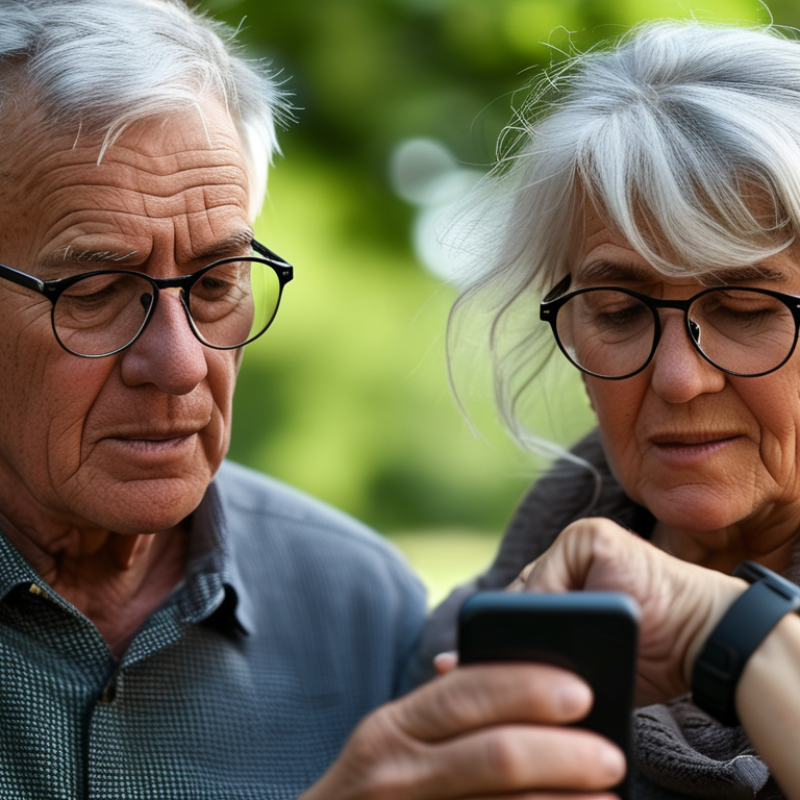
Top 10 Tips for Choosing a Smartwatch for Seniors

Understanding the Unique Needs of Seniors in Technology

When considering a smartwatch for seniors, understanding their unique needs is crucial. For many older adults, the learning curve of new technology can be steep. A simple interface is essential. Complicated menus can quickly lead to frustration. Devices that prioritize ease of use often become the favorites.

Health monitoring features can provide peace of mind. These include heart rate tracking and fall detection. Some seniors value reminders for medication or appointments. However, these features must be intuitive. If notifications are too complex, they may go unnoticed. Seniors also need strong customer support. A responsive help line can make all the difference. The technology world can feel overwhelming, so assurance is key.

Durability and battery life are other aspects to consider. Watches may need to withstand daily wear and tear. A long battery life means less hassle. Sometimes, over-promising specifications can disappoint. It is essential to read reviews from other seniors about their experiences. Listening to real stories can guide better decisions.

Key Features to Look for in a Senior-Friendly Smartwatch

When choosing a smartwatch for seniors, it's essential to focus on features that cater to their needs. A clear display is crucial. Larger fonts enhance readability. Brightness adjustments help in different lighting conditions. These factors play a significant role in usability.

Consider the health monitoring capabilities. Heart rate tracking can be vital for seniors. It provides valuable insights into cardiovascular health. A fall detection feature could also be important. This can alert emergency contacts if a senior takes a tumble. A wrist-based alert can enhance safety.

Battery life is another critical aspect. A smartwatch should last at least a couple of days between charges. Seniors who forget to charge devices may face inconvenience. The watch should also be lightweight and comfortable. Bulky designs can be cumbersome. Ultimately, these features contribute to a better user experience.

Evaluating Health Monitoring Capabilities for Seniors

As seniors increasingly embrace technology, choosing a smartwatch with robust health monitoring features is crucial. According to the World Health Organization, over 80% of older adults suffer from at least one chronic condition. A smartwatch can significantly aid in monitoring these health issues. Key features like heart rate tracking, fall detection, and blood oxygen monitoring offer crucial insights. Ensuring the device can accurately track these metrics is vital for proactive health management.

It's essential to look for devices that provide user-friendly interfaces. Many seniors may struggle with complex systems, leading to potential distractions or errors. Research indicates that 54% of older adults find technology overwhelming. A watch with a simple setup and large, clear displays can significantly enhance usability. Additionally, consider the availability of alert features for emergencies. Studies show that timely intervention can reduce complications by 30% in elderly patients.

Lastly, be aware that not all devices offer consistent accuracy. Regular updates and user reviews can shed light on real-life performance. Some seniors may find that their smartwatch fails to meet expectations for tracking daily activity or sleep quality. In such cases, frequent engagement with healthcare providers is necessary for tailored advice, ensuring that technology supports health rather than complicates it.

Top 10 Tips for Choosing a Smartwatch for Seniors - Evaluating Health Monitoring Capabilities for Seniors

Feature Importance Description Recommended for Seniors?
Heart Rate Monitoring High Tracks real-time heart rate and alerts for abnormal rates. Yes
Fall Detection High Automatic alerts sent to contacts or emergency services after a fall. Yes
Medication Reminders Medium Alerts to remind users of their medication schedule. Yes
Sleep Tracking Medium Monitors sleep patterns and provides insights into sleep quality. Yes
Fitness Tracking Medium Tracks various physical activities like walking, running, and cycling. Yes
GPS Functionality Medium Provides location tracking for safety while exercising outdoors. Yes
Large Display High Big screen for easier reading of texts and notifications. Yes
Water Resistance Medium Built to withstand exposure to water, useful for daily wear. Yes
Battery Life High Long-lasting battery to avoid frequent charging. Yes
Emergency SOS High Quick access to emergency services with a press of a button. Yes

Assessing Usability and User Interface for Ease of Use

When choosing a smartwatch for seniors, usability is key. A watch should have a clean interface. Bright, easy-to-read fonts are essential. Large buttons can help with navigation. Complicated menus often confuse users. Simplicity should be a priority.

Another critical aspect is touch sensitivity. A responsive screen makes it easier for seniors to interact. Physical buttons may also provide an added layer of comfort. Hearing and sight impairments can affect usability. Features such as customizable text sizes can enhance the experience.

Consider visual alerts. Vibrant notifications are crucial as well. Many seniors miss alerts due to poor visibility. Think about setting reminders for medications or appointments. This functionality should be straightforward. Overall, the goal is to empower seniors with technology, not frustrate them.

Comparing Battery Life and Durability for Daily Activities

When selecting a smartwatch for seniors, battery life and durability are paramount. Reports indicate that seniors often prefer devices lasting at least 24 hours on a single charge. A survey by the Consumer Technology Association highlighted that 70% of users prioritize battery longevity. A smartwatch should not demand constant recharging, especially during outings. A reliable battery ensures the device remains functional for essential health monitoring tasks throughout the day.

Durability is just as crucial. Seniors may unintentionally drop their devices during daily activities. A study found that nearly 40% of smartwatch users experience minor damage within the first year. Look for features like water resistance and shockproof design. These attributes are essential for a device that will face everyday challenges. The durability of a smartwatch can significantly impact its longevity and usability.

Moreover, seniors may find intricate settings confusing. Smartwatches with simplistic interfaces are ideal. Yet, ensuring these features do not compromise the device's resilience is vital. Finding the right balance between ease of use, battery life, and durability could be more challenging than anticipated. Regular user feedback can be helpful, but many wearers report their devices wearing down faster than expected. These experiences highlight the need for thoughtful consideration when choosing a smartwatch that aligns with senior lifestyles.

FAQS

: Why is a simple interface important for senior smartwatches?

: Seniors often find complex menus frustrating. A simple interface enhances usability and reduces confusion.

What health monitoring features should seniors look for?

Key features include heart rate tracking, fall detection, and blood oxygen monitoring for proactive health management.

How can technology support seniors' health management?

Smartwatches help monitor chronic conditions and provide reminders for medications and appointments, promoting better health.

Why should customer support be a consideration when choosing a smartwatch?

Strong customer support ensures seniors can get help when needed, reducing feelings of overwhelm with new technology.

What role does durability play in smartwatch selection for seniors?

Durability ensures a watch can withstand daily wear. Long battery life reduces the need for frequent recharging.

How can visual impairments affect smartwatch usability?

Features like large fonts and customizable text sizes help accommodate hearing and sight impairments in seniors.

What should seniors be cautious about with smartwatch specifications?

Sometimes, promised features may underperform. It's important to read reviews from other seniors to gauge real experiences.

How can seniors ensure they receive important notifications on their smartwatch?

Bright alerts and visual notifications can help ensure reminders for medications or appointments are not missed.

What common challenges do seniors face with technology?

Many seniors feel overwhelmed by technology. Simplifying features can help improve their overall experience and confidence.

What should seniors do if their smartwatch doesn't meet health tracking expectations?

Frequent engagement with healthcare providers may provide tailored advice and ensure that technology enhances, rather than complicates, their health management.

Conclusion

Choosing the right smartwatch for seniors involves understanding their unique technology needs and preferences. When considering how to choose a smartwatch for seniors, it’s essential to focus on key features that enhance usability, such as large buttons, clear displays, and simple navigation. Additionally, evaluating health monitoring capabilities is crucial, as many seniors benefit from features that track heart rates or medication reminders.

Furthermore, assessing the battery life and durability ensures that the smartwatch can withstand daily activities without frequent recharging or damage. By prioritizing these elements, caregivers and seniors can select a device that not only promotes independence but also enhances overall well-being.

Madeline

Madeline

Madeline is a dedicated marketing professional with a wealth of expertise in our company's core offerings. With a keen understanding of the industry, she brings a unique perspective to her role, consistently delivering high-quality content that highlights the superior aspects of our products. As......