As the population ages, the need for effective safety measures for elderly individuals becomes increasingly critical. Research shows that falls are the leading cause of injury among older adults, with the CDC reporting that one in four older adults experiences a fall yearly. This statistic highlights the urgency for innovative solutions in the wearable technology sector. Questions arise about what is the best wearable for elderly safety.
"We must prioritize user-friendly designs that empower seniors without overwhelming them," says Dr. Emily Chen, a leading expert in geriatric technology. Her insights emphasize the importance of technology that enhances safety while considering the unique needs of older adults. In 2026, we see advancements in wearables, including fall detection, GPS tracking, and health monitoring features that address these needs effectively.
However, the market is saturated with options, leading to confusion. Determining what is the best wearable for elderly safety requires a careful evaluation of functionality, usability, and support. The perfect device should not only be technologically advanced but also intuitive. Balancing these factors while ensuring elderly users feel comfortable and secure remains a challenge that requires ongoing research and feedback from the community.
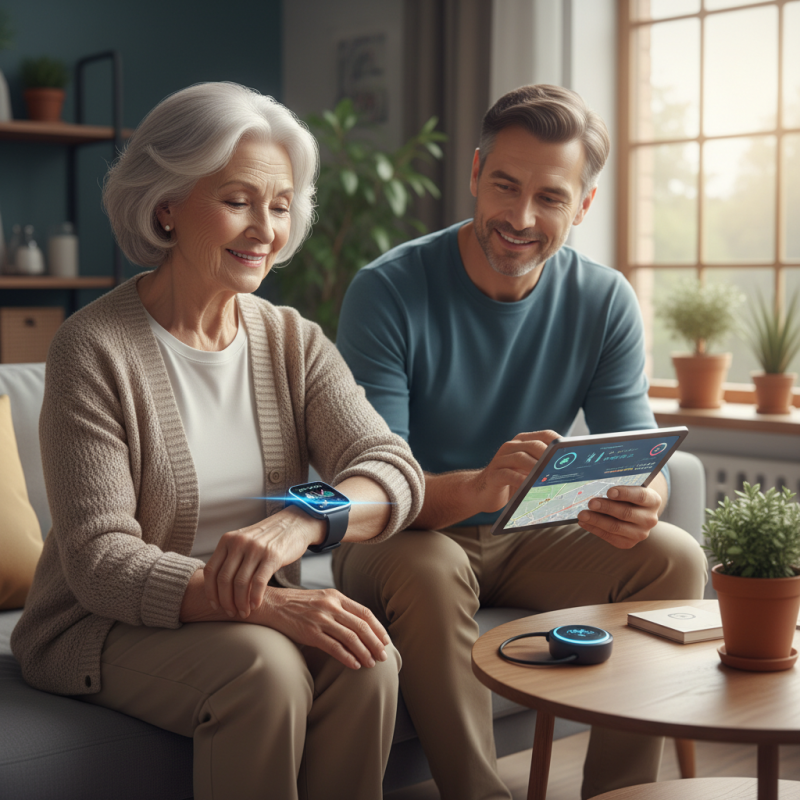
Overview of Wearable Devices for Elderly Safety in 2026
Wearable devices for elderly safety are gaining attention in 2026. These devices offer vital features such as fall detection, heart rate monitoring, and emergency alerts. The focus is on enhancing safety and independence for seniors. Many devices are lightweight and easy to use. This encourages elderly individuals to embrace technology without feeling overwhelmed.
Tips: Choose devices that are comfortable to wear daily. Look for user-friendly interfaces. Make sure features suit the specific health needs of the elderly.
Additionally, some devices provide medication reminders. This helps seniors stay on track with their prescriptions. Many offer GPS tracking too. This feature can help families locate their loved ones easily. However, not every device serves every need. It's essential to assess individual requirements carefully.
Tips: Engage seniors in the selection process. Discuss features they are comfortable with. Test the gadgets together for better understanding. This will foster confidence and independence in their use.
Best Wearable Devices for Elderly Safety in 2026
Key Features to Consider in Senior Wearable Technology
As wearable technology for seniors continues to evolve, safety remains a top priority. Elderly individuals can benefit significantly from features that enhance security, health monitoring, and social connectivity. Statistics reveal that the global wearable medical device market is expected to surpass $25 billion by 2026, showcasing the growing recognition of these devices' importance.
Key features to consider include fall detection, GPS tracking, and emergency alerts. Devices equipped with advanced sensors can automatically detect falls, sending alerts to family or emergency services. The American Association of Retired Persons (AARP) indicates that 20% of seniors experience falls each year, which makes this feature critical. Wearables that offer real-time tracking help loved ones monitor their whereabouts, enhancing peace of mind.
Another vital aspect is health monitoring. Many wearables now track heart rate, sleep patterns, and even blood pressure. These metrics provide insight into a senior's health status, fostering proactive management of medical conditions. Research from the Consumer Technology Association (CTA) suggests that nearly 70% of older adults prefer devices that assist with chronic condition management.
Tip: When choosing a device, prioritize user-friendly interfaces. Complicated designs can lead to frustration, which is counterproductive. Simple navigation ensures seniors can effectively use the technology.
Tip: Regular updates are essential for maximized security and functionality. Devices without software updates may become outdated and less effective over time, leaving users vulnerable. Consistent monitoring of device performance is crucial.
Top Wearable Safety Devices for the Elderly: A Detailed Comparison
The need for wearable safety devices for the elderly is critical. According to a recent industry report by the International Wearable Technology Association, over 60% of seniors express concern about safety. Devices that monitor health metrics and emergency features have become essentials for this demographic. These technologies provide peace of mind to both users and their families.
Selecting the right device can be challenging. Many options claim to enhance safety but lack vital features. For instance, some devices don't offer real-time location tracking. This is a significant drawback in emergencies. Additionally, user-friendliness is often overlooked. Seniors may struggle with complicated interfaces. A study by the Aging in Technology Report found that 40% of elderly users abandoned devices due to difficulty. These insights highlight the importance of thoughtful design in wearable safety tech.
The evolution of wearable devices has introduced vital features. Heart rate monitoring and fall detection are increasingly common. However, some devices still lack long battery life, posing another issue. Users might find devices unreliable if they require frequent charging. Comprehensive comparisons of current offerings reveal both strengths and weaknesses. It’s essential for consumers to weigh this information when considering options. This thought process may lead to more informed decisions aimed at enhancing elderly safety.
Emerging Technologies Enhancing Elderly Safety Wearables in 2026
As we look towards 2026, the landscape of wearable devices for elderly safety is undergoing significant transformation. The global market for elderly care wearables is projected to reach $20 billion by 2026, according to a recent report by Grand View Research. Innovations in sensors and connectivity are driving this growth. Enhanced fall detection systems and heart rate monitors have become standard features. These devices now provide real-time alerts, ensuring immediate assistance when needed.
Emerging technologies like AI and machine learning are enhancing the capabilities of wearables. With predictive analytics, wearables can analyze patterns, alerting caregivers before incidents occur. A study by Gartner noted that proactive monitoring could reduce emergency incidents by 30%. However, despite these advancements, issues such as device usability remain. Many seniors struggle with complex interfaces. It's essential to focus on simplifying these technologies for the elderly population. Additionally, privacy concerns linger as data collection increases. Striking a balance between safety and personal data security is critical.
In summary, 2026 will see innovative wearable devices that significantly improve elderly safety. Yet, there is still work to do in addressing usability and data protection challenges. The journey towards fully functional and user-friendly wearables for seniors is ongoing.
User Experience and Feedback on Wearable Devices for Seniors
In 2026, wearable devices for elderly safety have gained significant traction. User experience and feedback have become pivotal in shaping these technologies. A recent study indicated that over 70% of seniors value ease of use and comfort in these devices. Features such as fall detection, emergency alerts, and health monitoring are critical for them. However, not all devices meet these needs effectively.
Feedback reveals a mixed experience among seniors. While some appreciate the safety features, others find the technology daunting. One report noted that 45% of seniors needed assistance in setting up their devices. This highlights a gap in user experience. Many devices are not as intuitive as expected, impacting overall satisfaction. Additionally, some users expressed discomfort with wearing devices for extended periods.
The importance of advanced training and user-friendly designs cannot be overstated. As the industry progresses, companies must focus on these aspects. Engaging seniors during the design process could yield invaluable insights. Understanding their preferences and concerns can enhance usability. Addressing these challenges will ensure that wearable devices genuinely improve safety and quality of life for older adults.
Best Wearable Devices for Elderly Safety in 2026 - User Experience and Feedback on Wearable Devices for Seniors
| Device Name |
Features |
Battery Life |
User Rating |
Price Range |
| Wearable Safety Tracker A |
Fall detection, GPS tracking, Emergency alerts |
7 days |
4.5/5 |
$100 - $150 |
| Health Monitor B |
Heart rate monitor, Sleep tracking, Medication reminders |
10 days |
4.6/5 |
$80 - $120 |
| Emergency Alert Device C |
Two-way communication, SOS button, Location tracking |
5 days |
4.8/5 |
$90 - $140 |
| Smartwatch D |
Health tracking, Alerts for irregular heart rate, Fall detection |
8 days |
4.7/5 |
$150 - $200 |
FAQS
: Fall detection systems are crucial. They can automatically alert family or emergency services when a fall occurs.
GPS tracking helps loved ones monitor a senior’s location, enhancing safety and providing peace of mind during emergencies.
Wearable devices track heart rate, sleep patterns, and blood pressure, helping seniors manage their health proactively.
User-friendly interfaces are essential. Complicated designs can frustrate seniors, making the devices less effective.
Devices without updates may become outdated and less secure, leaving users vulnerable to risks.
Many struggle with complicated interfaces, leading to device abandonment. Simplicity is key for effective use.
AI and machine learning enhance wearables with predictive analytics, alerting caregivers before incidents occur.
Privacy concerns are significant as more data is collected. Balancing safety and data security is essential.
Some lack long battery life, making them unreliable for seniors who need consistent monitoring.
It addresses usability issues, ensuring seniors can effectively use devices designed for their safety.
Conclusion
In 2026, wearable devices designed for elderly safety have become increasingly sophisticated, offering a range of features that prioritize health monitoring, emergency response, and ease of use. To determine what is the best wearable for elderly safety, one must consider key features such as fall detection, heart rate monitoring, GPS tracking, and user-friendly interfaces that cater to seniors. This overview highlights top wearable safety devices, providing a detailed comparison of their functionalities and effectiveness in enhancing the well-being of older adults.
Emerging technologies, such as advanced sensors and AI-driven analytics, are set to revolutionize elderly safety wearables in the coming years, further improving user experience. Feedback from seniors regarding these devices showcases their effectiveness and reliability, ultimately serving to reassure caregivers and users alike. Through this evolving landscape, understanding what is the best wearable for elderly safety will be crucial in making informed choices that promote independence and security for the aging population.

 TC Health